
Survival Merchandise Blog
Hygiene & Sanitation Supplies
Oct
Hygiene & Sanitation Supplies: Essential Survival Gear for Emergency Preparedness
Hygiene & Sanitation Supplies: Essential Survival Gear for Emergency Preparedness
1. When people think about survival situations, they often focus on food, water, shelter and emergency tools. However, hygiene and sanitation supplies are equally important components of a well-rounded survival plan. During a natural disaster, power outage, evacuation, camping trip or other emergency, access to running water, bathrooms and normal household services may be limited or completely unavailable. Having basic hygiene and sanitation supplies available can help people stay clean, comfortable and healthier during challenging circumstances.
2. Personal hygiene becomes especially important during an extended emergency. When people cannot shower, wash their hands or use normal bathroom facilities, maintaining cleanliness can become difficult. A well-stocked emergency preparedness kit can contain basic personal hygiene products that help address these challenges. Soap, hand sanitizer, wet wipes, toothbrushes, toothpaste and other personal-care products can make a significant difference when normal routines are disrupted.
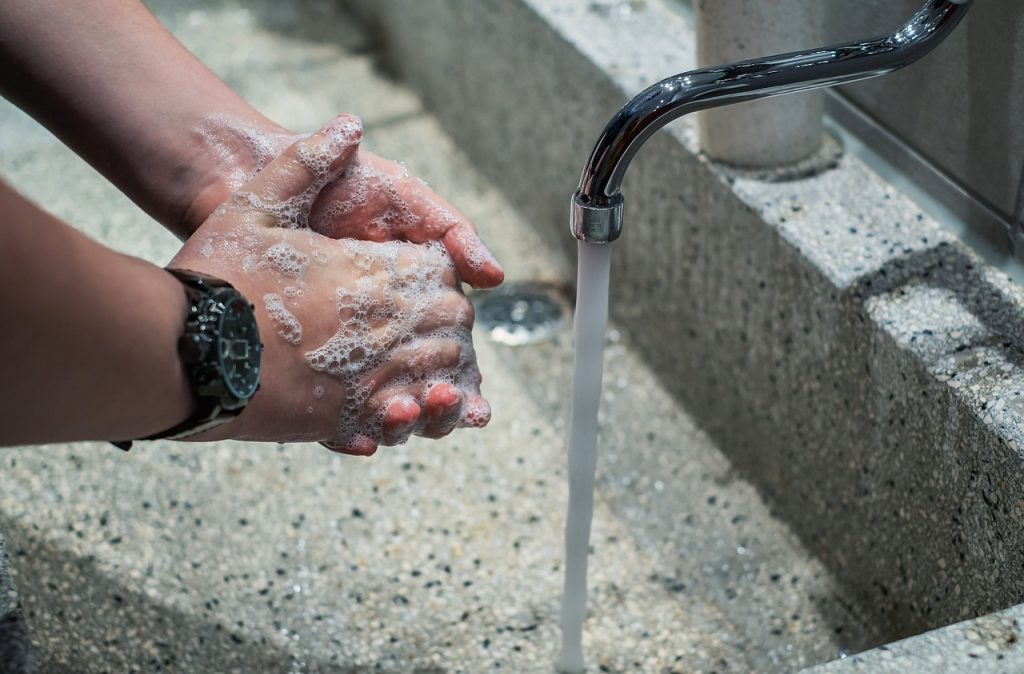
3. Hand hygiene is one of the most important aspects of emergency preparedness. Hands can easily become contaminated after handling garbage, using makeshift sanitation facilities, preparing food or touching dirty surfaces. Washing hands with soap and clean water is an excellent way to maintain personal hygiene whenever water is available. When water is limited, alcohol-based hand sanitizer can provide a convenient alternative for many situations.
4. Wet wipes and personal cleansing wipes can also be extremely useful survival supplies. They can help people clean their hands, face and body when a shower or sink is unavailable. Wipes are lightweight, portable and easy to store in emergency kits, vehicles, backpacks and bug-out bags. For families preparing for emergencies, keeping a supply of personal cleansing wipes can provide a simple solution when access to running water is interrupted.
5. Oral hygiene should not be overlooked during an emergency. Toothbrushes, toothpaste and dental floss are inexpensive items that can be easily included in a survival kit. Maintaining oral hygiene can help people stay comfortable during an extended emergency. A compact toothbrush and travel-size toothpaste take up very little storage space, making them practical additions to household emergency supplies and outdoor survival kits.
6. Sanitation becomes an even greater concern when an emergency disrupts normal bathroom facilities. A prolonged power outage, flood, hurricane or other disaster may affect plumbing or water service. Households should consider having emergency sanitation supplies available in case toilets cannot be used normally. Heavy-duty garbage bags, disposable gloves, toilet paper and other appropriate sanitation products can help families manage waste more effectively.
7. Toilet paper and personal hygiene products are often taken for granted until they are suddenly unavailable. During a disaster or emergency evacuation, stores may be closed, transportation may be disrupted or supplies may sell out quickly. Including basic personal hygiene products in an emergency preparedness kit can reduce the need to make unnecessary trips during dangerous conditions. Preparation is particularly important when an emergency may last for several days.
8. Disposable gloves are another useful addition to a survival and sanitation kit. Gloves can provide a barrier between your hands and contaminated materials while cleaning, handling waste or dealing with unsanitary conditions. They can also be useful during first aid situations and general cleanup. Keeping multiple pairs in an emergency supply kit provides flexibility when dealing with unexpected messes or potentially contaminated materials.
9. Garbage bags can serve many purposes in a survival situation. In addition to collecting household waste, heavy-duty bags can help contain contaminated materials and keep living areas more organized. Depending on the situation, they may also be useful for protecting supplies from moisture. Keeping a variety of sturdy garbage bags with your emergency preparedness supplies is an inexpensive way to add versatility to your survival equipment.
10. Feminine hygiene products are another important consideration for emergency preparedness. Anyone who may need menstrual products should have an adequate supply stored with their emergency gear. Tampons, sanitary pads, menstrual cups and other appropriate products should be included according to individual needs. Planning for these necessities in advance can make an emergency considerably more manageable and comfortable.
11. Diapers and baby hygiene products should also be considered by families with infants or young children. A family emergency kit may need to include diapers, baby wipes, diaper cream, baby soap and other child-specific supplies. Children can have different hygiene requirements than adults, and having appropriate products available can reduce stress during an evacuation or prolonged emergency. Families should periodically check stored supplies as children grow and their needs change.
12. Personal hygiene is also important for older adults and individuals with specific daily-care requirements. Emergency preparedness plans should take into account the personal hygiene products each family member normally uses. Items such as incontinence supplies, disposable washcloths, personal cleansing products and other necessities may become difficult to obtain during a disaster. Preparing these supplies in advance can help maintain dignity and comfort when normal services are interrupted.
13. Water conservation is an important part of emergency sanitation. Clean drinking water should be prioritized for hydration and food preparation, but hygiene still needs to be addressed. Planning how water will be used for handwashing, cleaning and sanitation can help conserve limited supplies. Waterless hygiene products, wipes and hand sanitizer can reduce the amount of water required for certain tasks.
14. Maintaining clean living areas can also improve the overall emergency environment. Trash, food waste and other refuse should be managed appropriately rather than allowed to accumulate around living or sleeping areas. Keeping garbage contained can help make a temporary shelter more comfortable and organized. Sanitation supplies such as trash bags, gloves, disinfecting products and cleaning cloths can be valuable additions to a home emergency kit.
15. Disinfecting and cleaning supplies can be particularly useful following floods, storms and other disasters. Emergency conditions can result in dirty surfaces, mud, debris and contaminated areas. Appropriate household cleaning and disinfecting products can help with cleanup when it is safe to do so. However, cleaning chemicals should always be used according to their labels, and potentially contaminated floodwater or sewage should be treated as a serious health hazard.
16. Hygiene and sanitation supplies are also valuable when camping or spending time outdoors. Outdoor adventures may involve limited access to showers, bathrooms and running water. A compact hygiene kit containing biodegradable soap where appropriate, wipes, toilet paper, hand sanitizer, toothbrushes and garbage bags can make outdoor trips considerably more comfortable. Properly packing out waste is also an important part of responsible outdoor recreation.
17. A dedicated emergency hygiene kit can make preparedness much easier. Depending on your household’s needs, such a kit might include soap, hand sanitizer, wet wipes, toothbrushes, toothpaste, toilet paper, disposable gloves, garbage bags, feminine hygiene products, diapers and basic cleaning supplies. Personal needs vary, so each household should customize its emergency sanitation supplies rather than relying on a generic checklist.
18. Hygiene supplies should be stored alongside other important survival gear and emergency preparedness supplies. Keeping them organized makes it easier to find what you need when an emergency occurs. Consider storing emergency hygiene supplies in waterproof containers or sealed bags where appropriate. It is also important to periodically inspect stored products, replace expired or damaged items and replenish supplies after using them.
19. Good hygiene and sanitation practices can contribute significantly to comfort, organization and overall preparedness during an emergency. When people are dealing with stress, limited resources and unfamiliar living conditions, maintaining basic personal cleanliness can help preserve normal routines and dignity. Hygiene supplies may not seem as exciting as survival tools, but they can become some of the most appreciated items in a well-designed emergency preparedness kit.
20. Ultimately, hygiene and sanitation supplies are essential survival supplies that deserve a place in every emergency preparedness plan. Soap, hand sanitizer, wet wipes, toothbrushes, toothpaste, toilet paper, gloves, garbage bags, personal hygiene products and cleaning supplies can all serve important purposes when normal infrastructure is unavailable. Whether preparing for a power outage, natural disaster, evacuation, camping trip or long-term emergency, adding hygiene and sanitation products to your survival kit can help you stay cleaner, more comfortable and better prepared for whatever challenges arise. At Survival Merchandise, emergency preparedness is about thinking beyond food and water and making sure you have the practical survival gear necessary to handle the unexpected.
