Why Americans Prepare for Disasters: The Ultimate Guide to Emergency Preparedness & Survival Gear
1. Why Americans Are Taking Disaster Preparedness Seriously
Disaster preparedness is becoming an increasingly important part of responsible household planning across America. Hurricanes, tornadoes, wildfires, floods, earthquakes, winter storms, extreme weather, extended power outages, and other emergencies can disrupt everyday life with little warning. That is why more families are looking at emergency preparedness, survival gear, survival kits, emergency food, water storage, and disaster supplies before they actually need them. At Survival Merchandise, the goal is simple: help people understand why being prepared matters and what types of survival products and emergency supplies can help families respond when normal services are interrupted.
2. Is Prepping Really Necessary?
Some people ask whether prepping is necessary or whether disaster preparedness is simply unnecessary worrying. The reality is that emergencies do not require a person to be a “prepper.” A family can experience a power outage, severe storm, transportation disruption, water interruption, or natural disaster without having any advance warning. Having basic emergency supplies and survival equipment available at home is a practical precaution. Preparedness is about planning for possibilities, not living in fear.
3. Is Prepping a Waste of Time?
For most households, reasonable prepping is absolutely not a waste of time. Many of the products used for emergency preparedness are useful during ordinary situations as well. Flashlights are valuable during power outages, first aid kits are useful every day, emergency food can supplement a pantry, and portable power banks can keep phones operating when electricity is unavailable. Purchasing survival gear is essentially an investment in having useful equipment available when you need it.
4. You Don’t Have to Be an Extreme Prepper
Emergency preparedness does not require turning your home into a warehouse. Effective prepping can begin with a basic family emergency kit and grow gradually. Families can purchase survival supplies according to their budget and specific needs. Start with the essentials, water, food, emergency lighting, first aid, sanitation, communication, and basic tools and then expand your survival gear collection over time.
5. Emergency Water Should Be a Top Priority
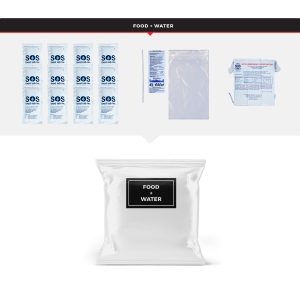
Water is arguably the most important item in any emergency preparedness plan. A natural disaster or infrastructure failure can disrupt access to safe drinking water. Every family should consider maintaining an appropriate supply of drinking water and having additional methods available for water purification when appropriate. Emergency water supplies, water storage containers, and water purification products can become extremely valuable when normal water service is unavailable.
6. Emergency Food Helps Families Stay Prepared
Food is another essential component of disaster preparedness. Grocery stores may close, roads may become impassable, deliveries may be delayed, and refrigeration may become unavailable during an extended power outage. Emergency food, survival food, MREs, freeze-dried meals, canned foods, and other shelf-stable foods can provide families with important backup options. Building an emergency food supply before a disaster occurs is considerably more practical than trying to find supplies after an emergency has already begun.
7. MREs Are a Popular Emergency Food Option
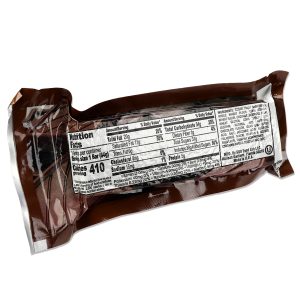
MREs, or Meals Ready-to-Eat, are widely associated with emergency preparedness, outdoor activities, camping, and survival planning. Their convenience and portability make them useful for situations where traditional cooking may not be practical. When building an emergency food supply, families should consider the nutritional requirements, storage conditions, expiration dates, and dietary needs of everyone in the household.
8. Emergency Lighting Is Essential During Power Outages
When the electricity goes out, darkness can create additional hazards inside and outside the home. Emergency flashlights, LED lanterns, headlamps, and other emergency lighting products can provide essential illumination. Families should consider keeping multiple sources of emergency lighting in accessible locations. A flashlight buried in an inaccessible storage area is much less useful than one that everyone knows how to find.
9. Batteries Are an Important Part of Your Survival Supplies
Emergency equipment often depends on batteries. Flashlights, radios, lanterns, and other survival equipment may be useless if their batteries are dead. Keeping appropriate replacement batteries with your emergency supplies is therefore an important part of disaster preparedness. Families should regularly inspect batteries and test emergency equipment so they know everything is ready before an emergency occurs.
10. Emergency Radios Help You Stay Informed
Information can be just as important as physical supplies during a disaster. An emergency radio can provide access to important weather reports, emergency announcements, evacuation information, and public safety updates when internet or television services are unavailable. Battery-powered and hand-crank radios are popular additions to emergency kits because they can provide another way to receive information when conventional communication systems are disrupted.
11. Every Home Should Have a First Aid Kit
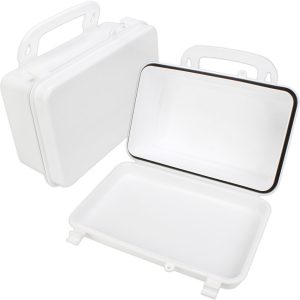
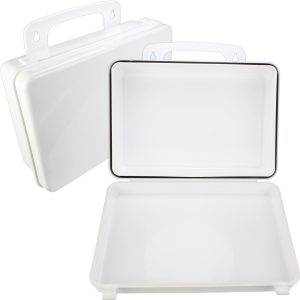
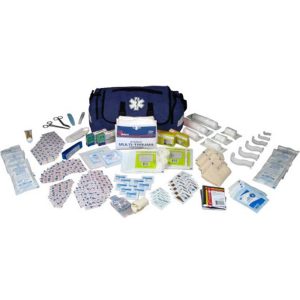
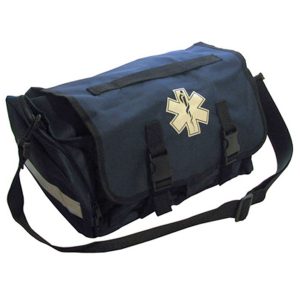
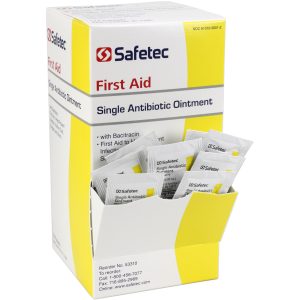
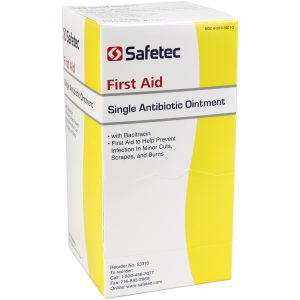
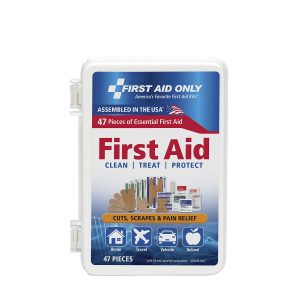
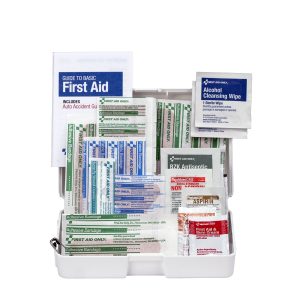
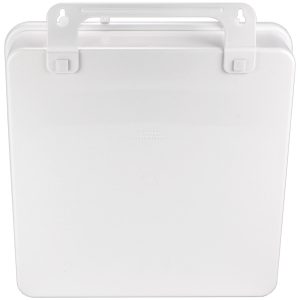
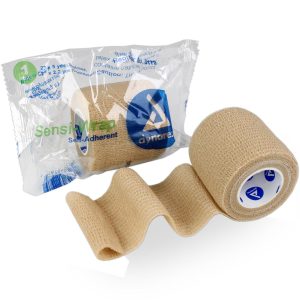
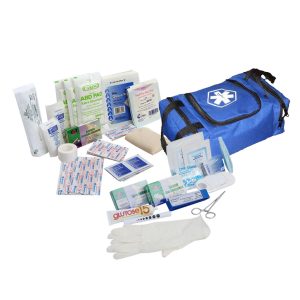
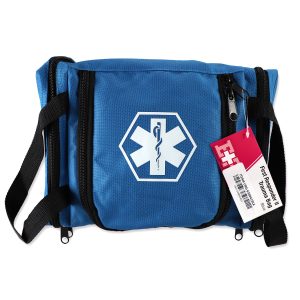
A first aid kit is one of the most practical emergency supplies a family can own. Injuries can happen during storms, evacuations, accidents, power outages, and everyday household activities. A basic emergency first aid kit can help families address minor injuries while they determine whether professional medical attention is required. Families should also customize their first aid and medical supplies around their individual needs.
12. Emergency Medications Require Advance Planning
Families should also consider medications and other medically necessary supplies when developing an emergency preparedness plan. Pharmacies may become inaccessible during severe weather or other emergencies. Anyone who relies on prescription medications or specialized medical equipment should discuss appropriate emergency planning with their healthcare provider. Personal medical requirements should always be considered when building a family survival kit.
13. Hygiene and Sanitation Are Critical Survival Supplies
Hygiene is sometimes overlooked when people think about survival gear, but sanitation can become extremely important during a prolonged emergency. Soap, hand sanitizer, toilet paper, disinfecting products, trash bags, paper towels, feminine hygiene products, diapers, and other sanitation supplies can help maintain a healthier environment. A well-rounded emergency preparedness kit should address both survival and basic household hygiene.
14. Shelter and Warmth Should Not Be Ignored
A disaster can expose families to uncomfortable or dangerous weather conditions. Emergency blankets, sleeping bags, tarps, rain gear, warm clothing, and other shelter supplies can provide additional protection. Families should consider the climate where they live and the disasters most likely to affect their area. Someone preparing for a winter storm may require very different survival supplies from someone preparing for extreme heat or hurricanes.
15. Emergency Tools Can Become Extremely Valuable
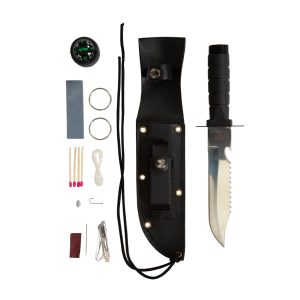
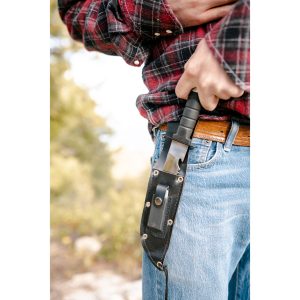
A few dependable tools can make a significant difference during an emergency. Survival tools, utility knives, multitools, work gloves, duct tape, rope, tarps, pliers, screwdrivers, and other basic equipment can help with numerous practical tasks. The purpose of emergency tools is not to prepare for every imaginable situation but to give a family useful equipment when ordinary household resources may not be available.
16. Fire Starters and Emergency Cooking Supplies
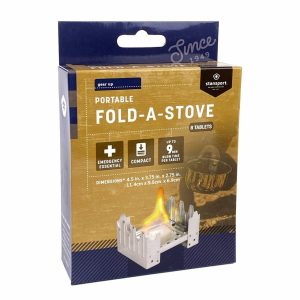
Fire-starting equipment can be another useful addition to an emergency preparedness collection, particularly for outdoor survival and situations where appropriate cooking or warmth options are needed. Fire starters, waterproof matches, emergency stoves, and appropriate fuel sources can provide additional options when normal household cooking methods are unavailable. Fire should always be used responsibly and only in appropriate, well-ventilated locations.
17. Emergency Communication Is Part of Survival Planning
Survival preparedness is not just about physical products. Families should also create an emergency communication plan. Everyone should know how to contact other household members, where to meet if separated, and how to receive emergency information. Smartphones are extremely useful, but they should not necessarily be the only communication option. Backup power and alternative communication equipment can help families stay connected.
18. Portable Power Is Increasingly Important
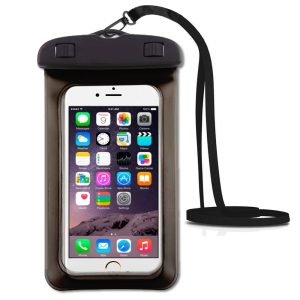
Modern households depend heavily on electronic devices. Smartphones provide communication, weather information, navigation, emergency alerts, and access to important information. Portable power banks, rechargeable batteries, solar charging equipment, and backup power systems can help keep essential electronics operating during an extended power outage. As technology becomes increasingly important to daily life, backup power has become an important part of modern emergency preparedness.
19. Power Outage Preparedness Should Be Part of Every Family’s Plan
Power outages can happen almost anywhere. Severe storms, wildfires, equipment failures, extreme temperatures, accidents, and other events can interrupt electrical service. Every family should consider having power outage supplies such as flashlights, batteries, emergency lighting, portable chargers, emergency food, drinking water, blankets, radios, and first aid supplies. Preparing for a power outage is one of the easiest ways to begin building a broader emergency preparedness plan.
20. Every Family Should Build a Survival Kit
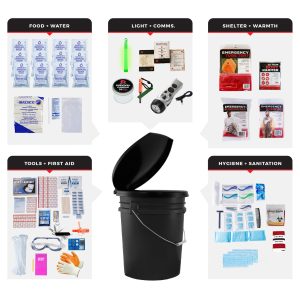
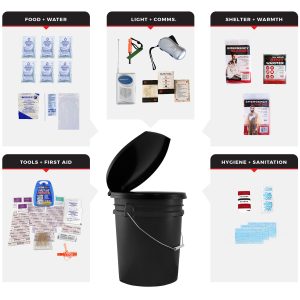
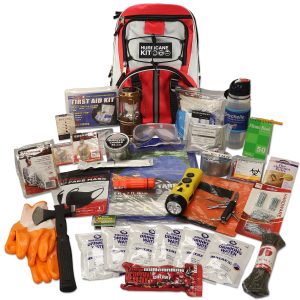
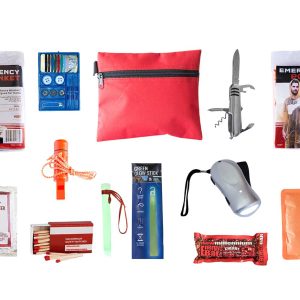
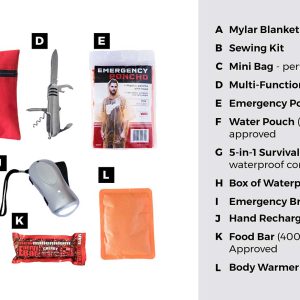
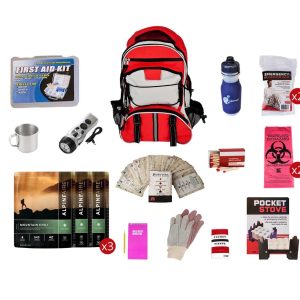
A family survival kit brings many essential emergency supplies together in one organized location. A basic kit may include water, emergency food, first aid supplies, flashlights, batteries, an emergency radio, sanitation supplies, blankets, portable power, basic tools, personal medications, important documents, and other household necessities. The exact contents should be customized based on the size of the family and the types of emergencies most likely to occur in the region.
21. Your Location Should Influence Your Emergency Supplies
There is no universal emergency kit that works perfectly for every household. Disaster risks vary significantly across the United States. Families in hurricane-prone regions may emphasize evacuation supplies and water storage. People in wildfire areas may focus heavily on emergency communication and evacuation planning. Residents in earthquake zones may emphasize sturdy emergency supplies and extended self-sufficiency. Understanding local risks makes disaster preparedness more effective.
22. Children and Families Require Special Consideration
Families with children should include age-appropriate supplies in their emergency preparedness plans. Food preferences, medications, clothing, diapers, baby supplies, comfort items, and other necessities may need to be included. A family emergency kit should be designed around the actual people who will use it. Preparedness becomes much more effective when it is customized rather than based on a generic checklist.
23. Don’t Forget Your Pets
Pets should also be included in a family’s disaster preparedness plan. Emergency pet supplies can include food, water, medications, leashes, carriers, waste supplies, and veterinary information. Families should also know where they can safely take their pets if evacuation becomes necessary. Preparing for pets ahead of time can prevent difficult decisions during an already stressful emergency.
24. Emergency Preparedness Can Reduce Panic
One of the most important benefits of prepping is confidence. When people have already purchased their survival supplies, organized their emergency kit, and thought through basic emergency procedures, they may be better positioned to respond calmly. Preparedness cannot eliminate the dangers associated with a disaster, but it can reduce the chaos associated with searching for essential supplies at the last minute.
25. Prepping Can Save Money Over Time
Building a survival supply inventory gradually can also be financially practical. Families do not have to purchase everything at once. Adding a few emergency preparedness products each month can steadily create a useful supply of disaster gear. Waiting until a major storm or emergency is approaching can create shortages and increased demand. Preparing during normal conditions gives consumers more opportunities to shop thoughtfully.
26. Prepared Families Can Be More Self-Reliant
Self-reliance is one of the central principles behind preparedness. When basic services are temporarily unavailable, families with survival gear and emergency supplies may be able to handle many everyday needs without immediately relying on outside assistance. This does not mean refusing help when it is needed. It means having enough basic resources to manage responsibly while emergency responders concentrate on the most urgent situations.
27. Preparedness Is About More Than Buying Survival Gear
Buying products is only one part of prepping. Families should also know how to use their survival equipment. Test flashlights. Check batteries. Inspect food expiration dates. Learn how emergency radios operate. Practice basic emergency procedures. Know where the emergency kit is stored. Preparedness combines equipment, planning, knowledge, and practice.
28. Maintain Your Emergency Preparedness Supplies
A survival kit should never be considered a “buy it once and forget it” purchase. Emergency food, batteries, medications, clothing, sanitation supplies, and other products may need to be replaced or rotated. Families should periodically inspect their supplies and make sure everything remains usable. Seasonal checks can also help households prepare for changing weather conditions.
29. Why Shop for Survival Gear Before You Need It?
The worst time to start looking for emergency supplies is often after an emergency has already been announced. When severe weather is approaching, stores can quickly sell out of generators, flashlights, batteries, bottled water, emergency food, and other popular supplies. Shopping for survival gear and emergency preparedness supplies before an emergency gives families time to compare products, organize their equipment, and create a thoughtful preparedness strategy.
30. Survival Merchandise: Prepare Today, Not Tomorrow
At Survival Merchandise, disaster preparedness is about helping families become better prepared for the unexpected. From survival gear and emergency supplies to emergency food, MREs, first aid products, emergency lighting, sanitation supplies, shelter equipment, survival tools, and power outage supplies, the right equipment can help families respond more effectively when normal life is disrupted. Is prepping a waste of time? For families who value preparedness, self-reliance, and protecting the people they care about, the answer is simple: being prepared is an investment in peace of mind. You may never need every item in your emergency kit, but if the day comes when you do need it, you will be glad you prepared in advance.

Comfort Survival Kits




Bandages and Wraps
First Aid Kits & Cabinets (OEM)
Entertainment




Food and Water
Misc. Products
Necessity Survival Kits


First Aid Kits & Cabinets (OEM)

Food Storage Survival Kits